

Coping
1 week ago

 I transplanted these daffs from another location last year. This year, they've popped up very nicely. In years to come they'll fill in and be gorgeous!
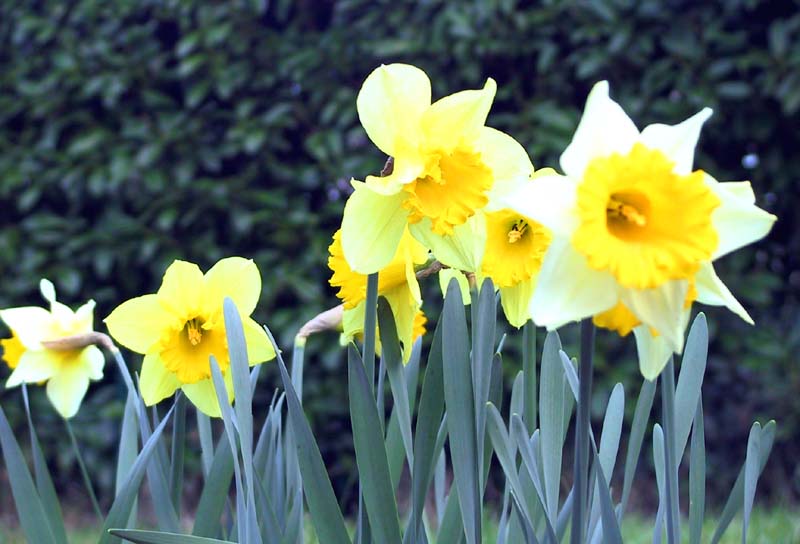 A close-up of the daffodils - jonquilles in French.
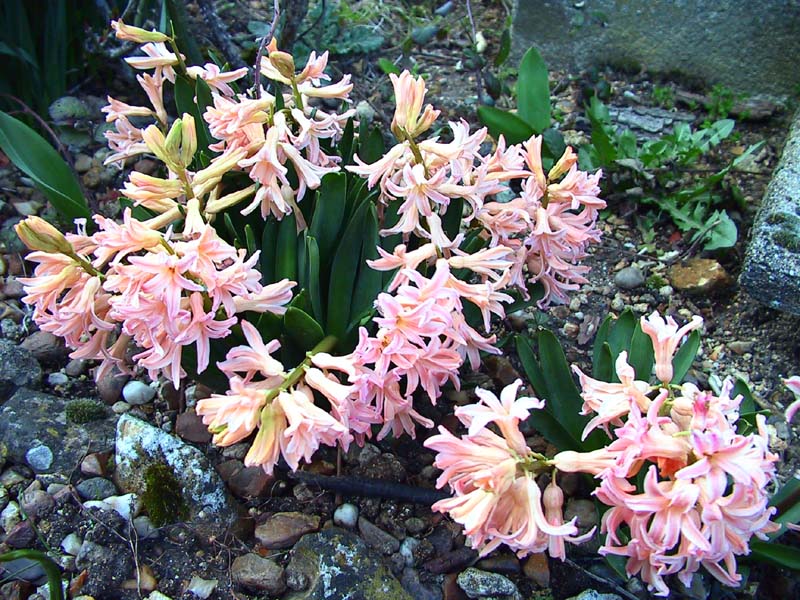 These are pink hyacinth.
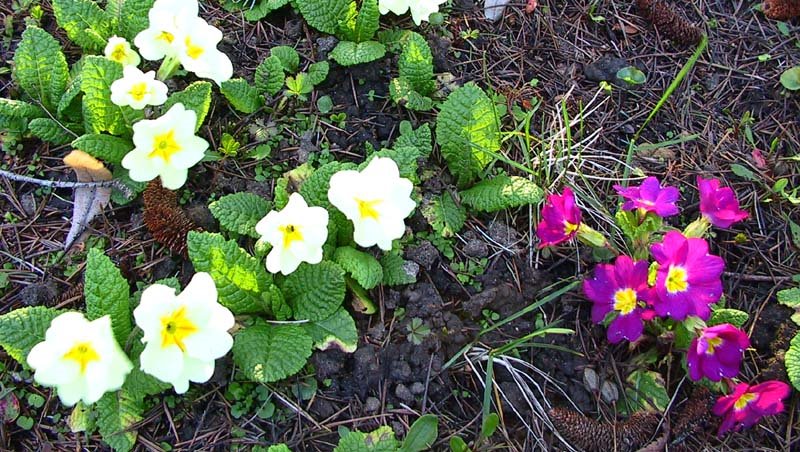 And these are primroses that grow wild in the yard - primevères in French.
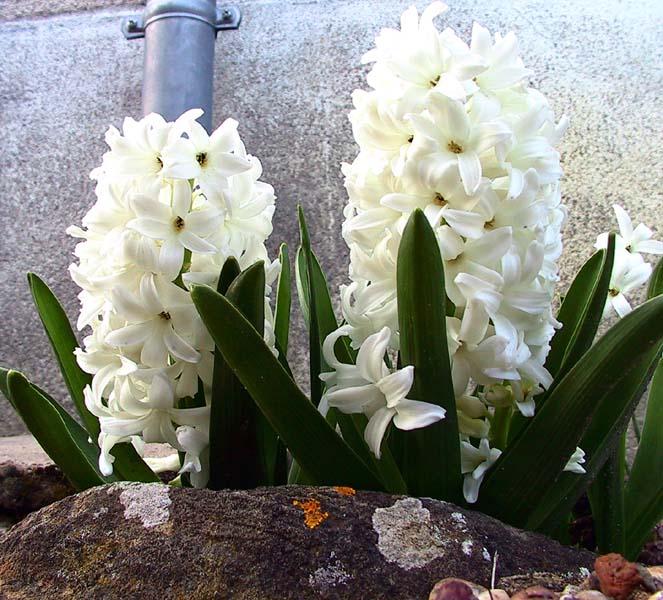 More hyacinths, this time white ones.
 A forsythia in the yard, with the back of the house in the background.
 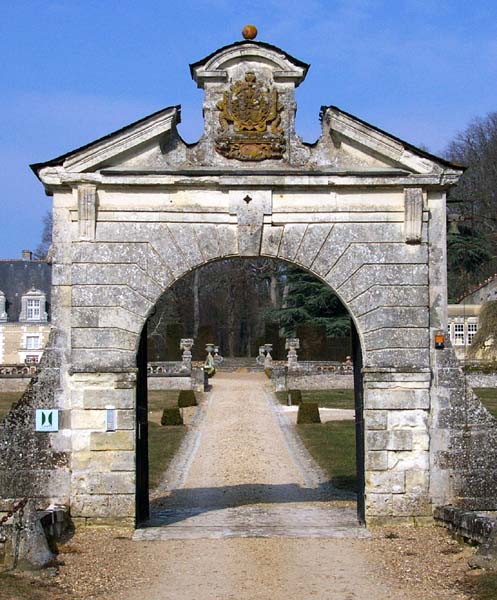 The entrance to the Château de Valmer.
 This small sign near the entrance marks Valmer as the site of a "remarkable," or noteworthy, garden as classified by the French Ministry of Culture and Communication.
 Since I've been talking about the weather here lately, I thought I'd share the chart below. We've been tracking temperatures outside the house for over a year now. The chart shows our daily highs and lows since the beginning of fall 2005 up until spring 2006. It's in celcius, so remember that 0ºC = 32ºF, 10ºC is about 50ºF, and 20ºC is just below 70ºF.
 Click on the image for a larger view.
 The garden of Diane de Poitiers at Chenonceau, seen through one of the castle's windows. As I mentioned before, it was raining. At times it was coming down pretty good - so the exterior shots are mostly grey and colorless. But, that's how it looks around these parts in winter, er... early spring.
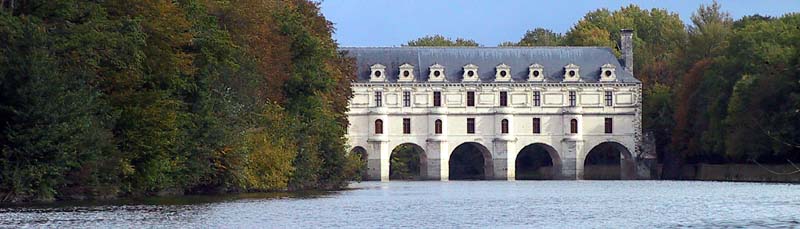 Below is the main floor of the gallery that spans the Cher river. What's unusual about this picture, you might ask? Well, there's not a single person in the gallery. Most of us tourists never get to see it this way, except in official photos.
 The story of Chenonceau is complex, but the bit of historical intrigue that most of us are familiar with involves Henri II, king of France, his wife, Catherine de Médicis, and his mistress, Diane de Poitiers. The king had inherited the place (his father, François I, obtained it as payment of taxes due) and made a gift of it to his mistress, Diane, when he ascended to the throne in 1547. While she was in residence, she had the elegant bridge built from the castle on the right bank across the Cher to the left bank.
 Servants' dining room in the kitchen complex at Chenonceau.
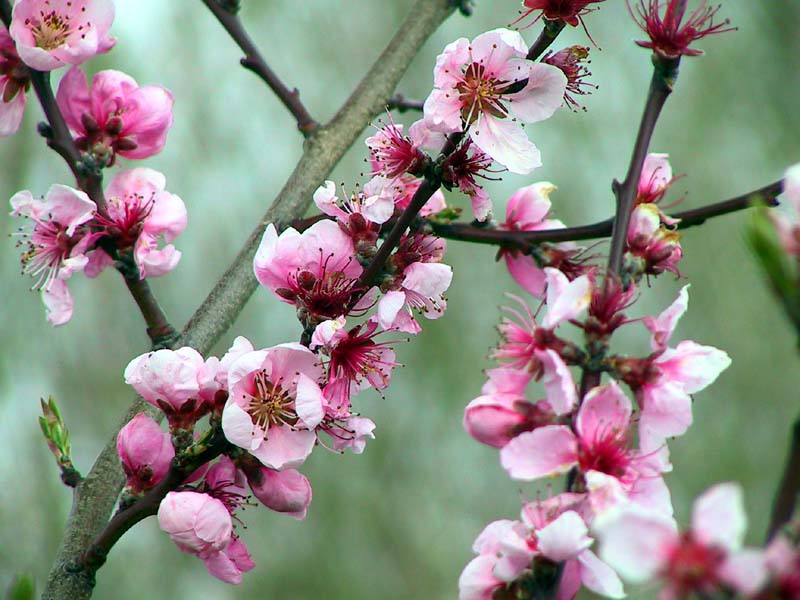
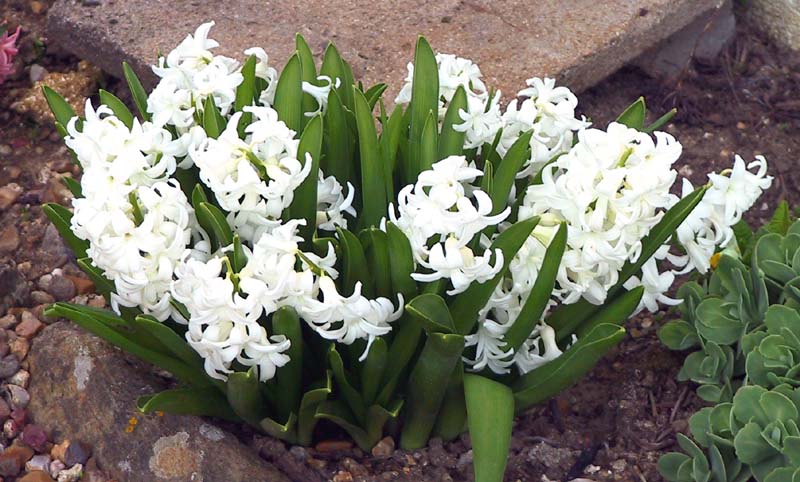 And... our hyacinths are up! Les jacinthes, in French. The daffodils are just about ready to open, and the forsythia are covered with buds getting ready to burst. Soon it'll be time to till the vegetable garden and work in the compost. Thank goodness for spring! And, as my father used to say:
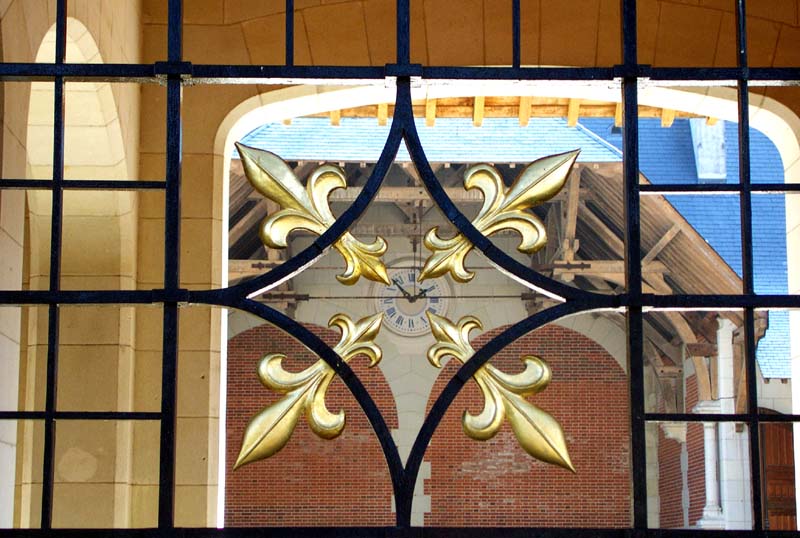 This is a view into the stable buildings through the gate - the stables were closed this day. We'll visit them one day, I'm sure. The rest of the day included a leisurely drive along the river, a stop for coffee, visiting a wine producer in Vouvray, and a quick look at the cathedral in Tours.
 Not the typical postcard views of the Château d'Amboise. Above, imposing gargoyles lean out from the castle's free-standing chapel high above the street in the town below, as if they are watching to be sure no one gets out of line.
 It was a nice sunny day, although the temperatures were only in the mid 40s F.
 Ken and I have been deeply touched by the messages of love and sympathy we've received from friends and family since Collette left us on Tuesday. Thanks to all of you who've left comments here and on Ken's site. We appreciate them more than you know. Also, our sincerest thanks for the e-mails and phone calls. Collette did, indeed, have many friends across the US and here in France. We're glad you're our friends, too!
 Collette died today. She was 14 years old. She suffered a stroke over the weekend and didn't come out of it. We watched her deteriorate, and made an appointment to have her put to sleep this afternoon, but the shots weren't necessary. She died peacefully as I put her down on the vet's table.
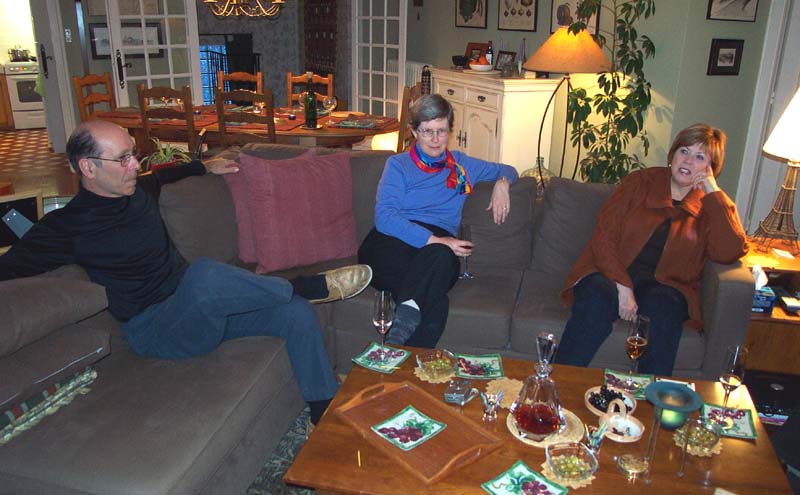
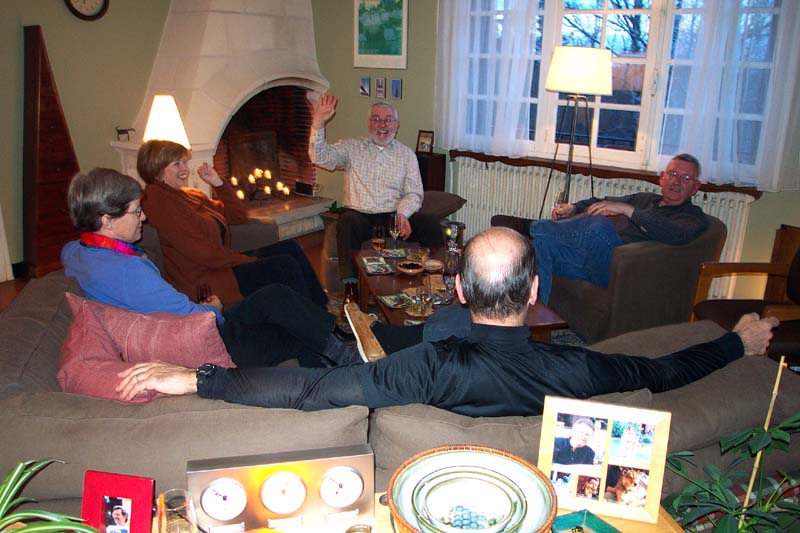 L to R: Chris, Janet, David, Tony's back, Ken.
 Tony, Chris, Janet.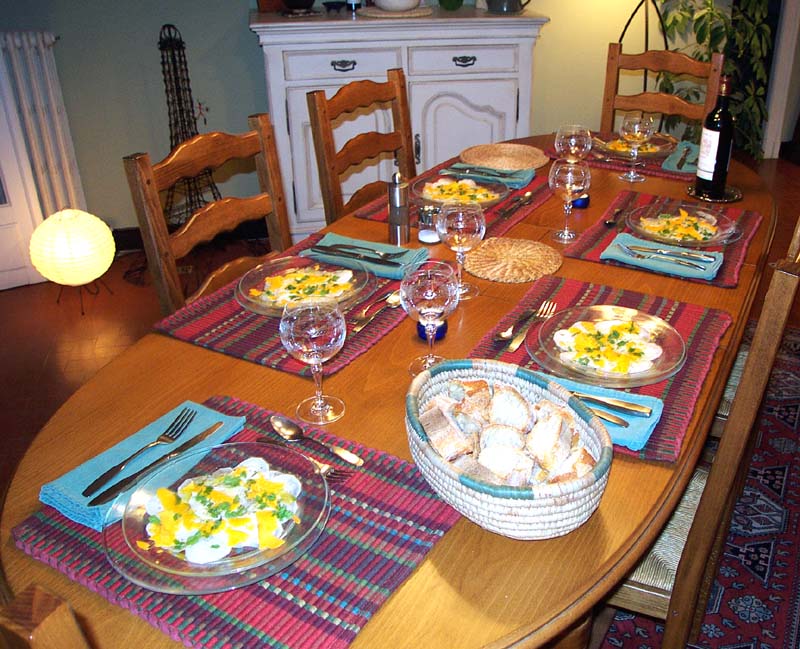
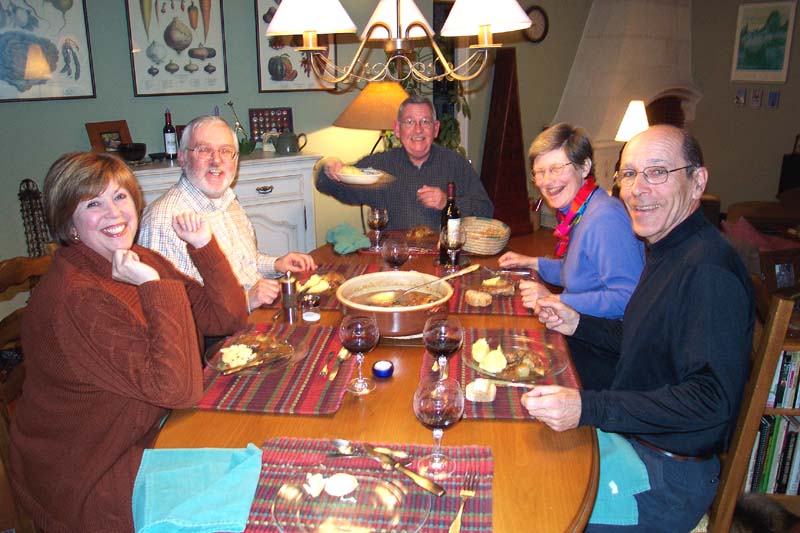 Dinner is served (coq au vin, boiled potatoes)! Followed by green salad, cheeses, and two scrumptious desserts that Janet made (a bread pudding and a chocolate fudge-like confection). L to R: Janet, David, Ken, Chris, Tony.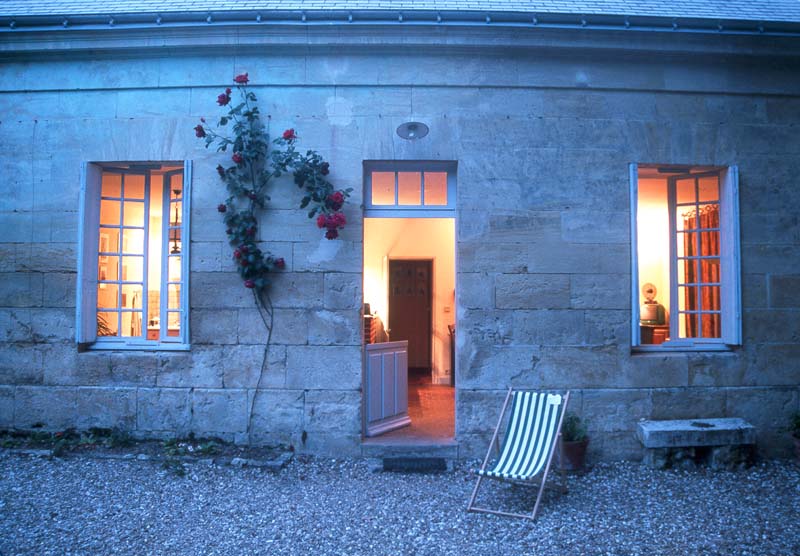
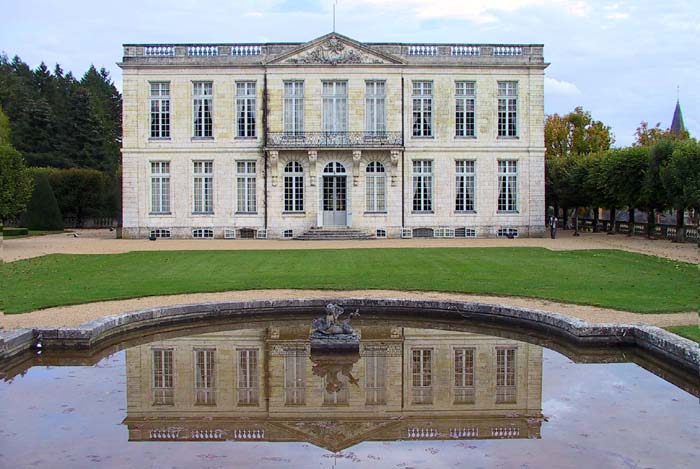 The small Château de Bouges is located about 10 kilometers north-east of Levroux. It was built in the mid 18th century and its "claim to fame" is that Tallyrand owned it for a number of years in the early 1800's. On the day we visited, we decided not to take the interior tour but to just wander around the grounds. The gardens were beautiful, as were the stable buildings with their collection of saddles and coaches from those early days.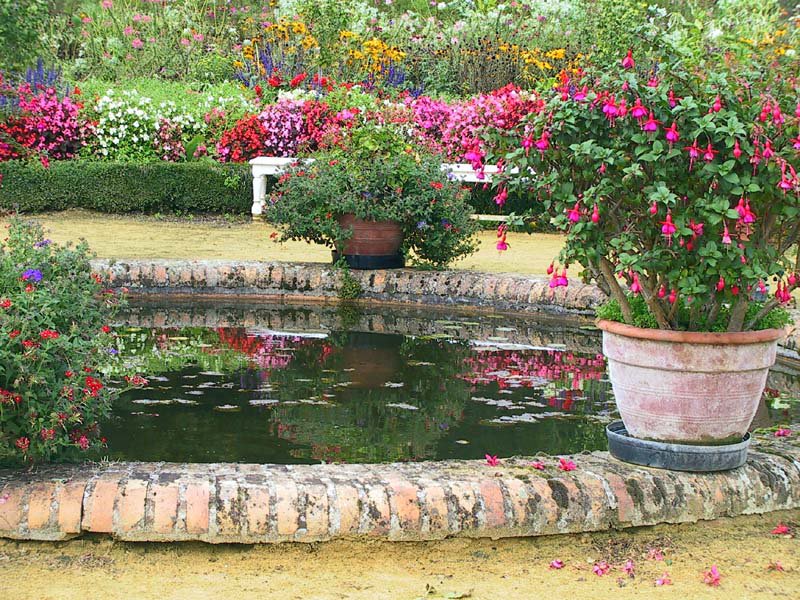


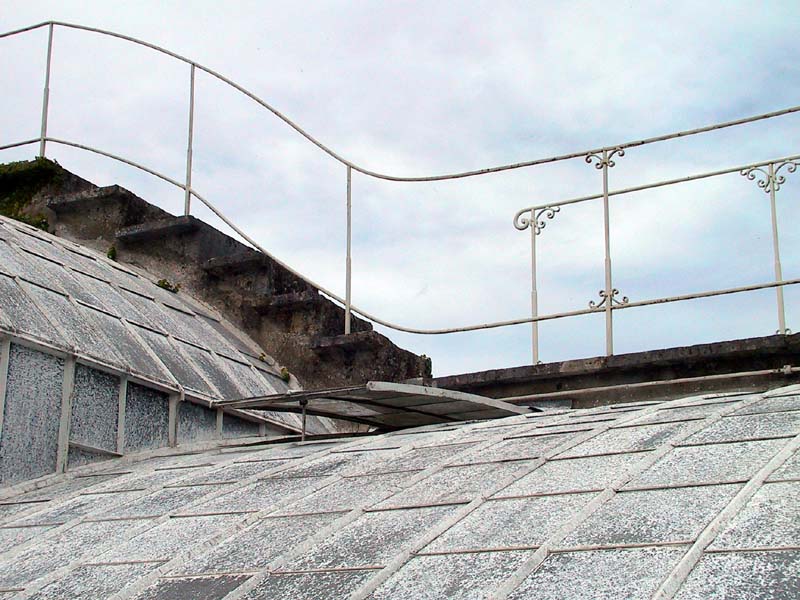 The roof of one of the greenhouses.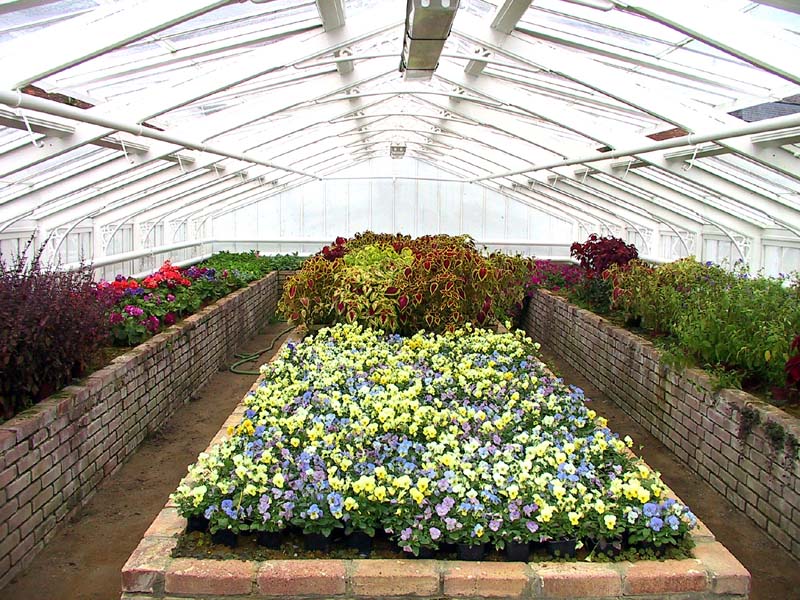
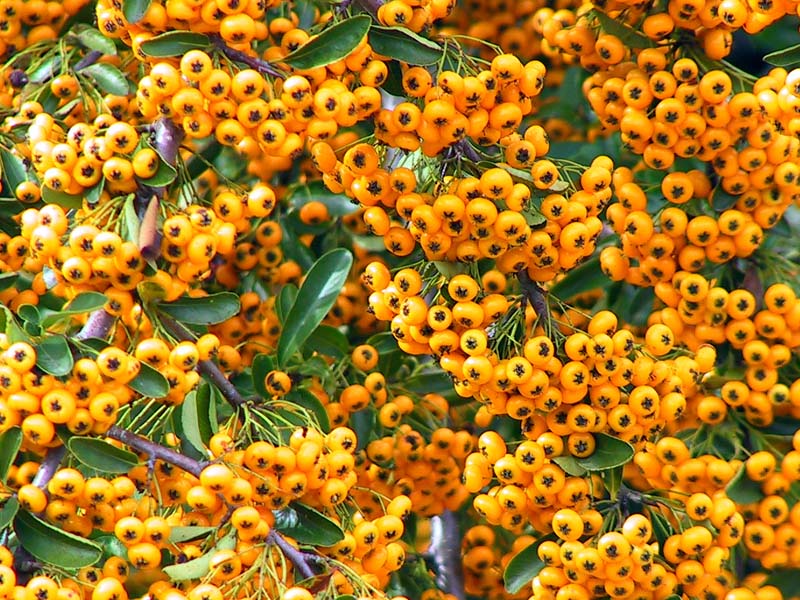 Pyracantha.
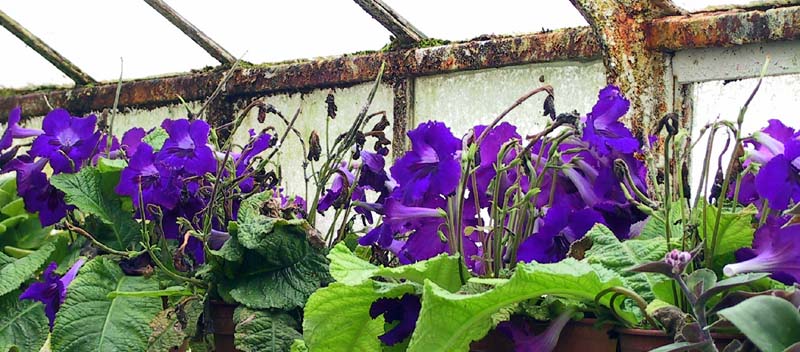 Many varieties of primrose, above and below.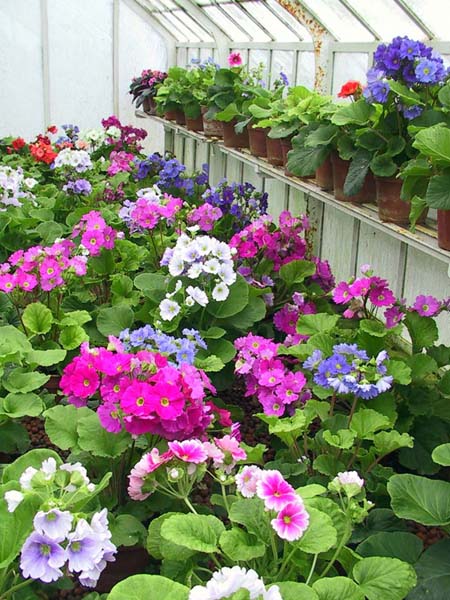
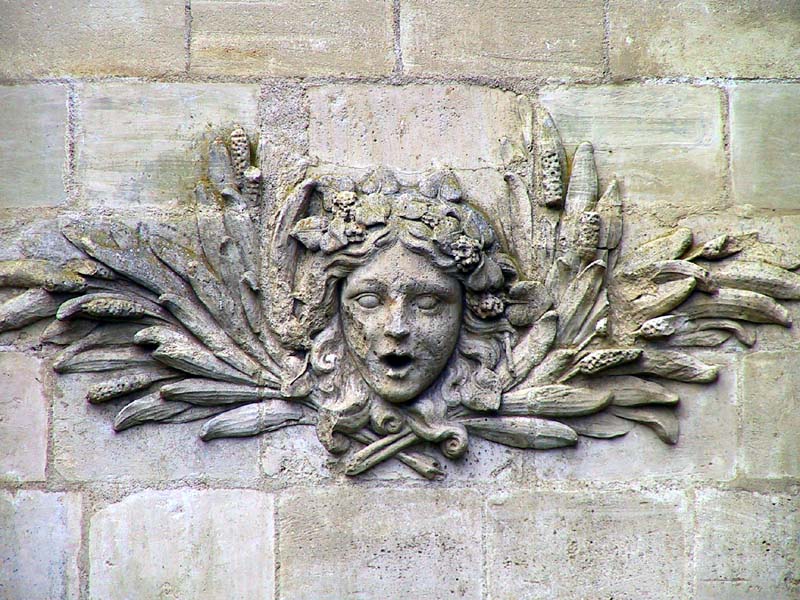
 Hey, guys, wait for me!
 We spent a couple of hours wandering around. Toward the end of our visit, we noticed that there were more people in the courtyard than there had been when we arrived. It turned out that on this particular day there was some kind of children's event at the château. We poked our heads in and helped ourselves to some of the light refreshments that were put out for the participants - touring châteaux is thirsty work. All of a sudden, some boys on unicycles raced by (above). I have no idea how they got in with their "wheels," but there they were.
 Thanks to all of you who've mapped yourselves! I really appreciate your having made the effort. Most recently, Barbara Moss in Chicago, Tom and Harriet in Sidney, Mimi in Boston, and Franck in Lille, mille mercis. Remember, to see the photos of those of you who have mapped yourselves, click on "wcs blog" on the top part of the map itself. Frappr will take you there. Enjoy!
 The two most prominent landmarks in the 7th Arrondissement: the Eiffel Tower and the gilded dome of Invalides, along with the large open space parks around them, are high points of this tour.
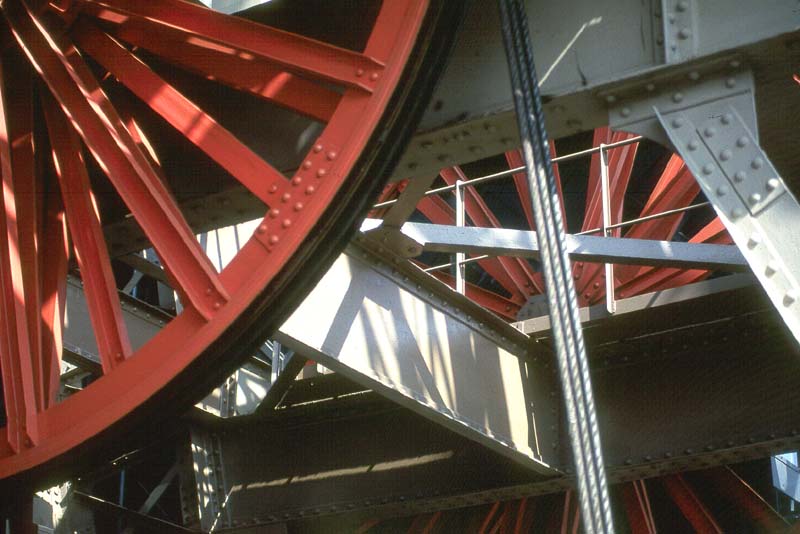
 Métro line number 6 crosses the Seine on the Bir-Hakeim bridge close to the Eiffel Tower.
 The base of the Eiffel Tower and the Champ de Mars beyond.
 you are seeing is known today as the Champ de Mars. But as late as the 17th century, this was the center of a vast, empty space known as the plain of Grenelle. The plain stretched from what is now the Blvd. des Invalides to the Blvd. de Grenelle and beyond.
 The Eiffel Tower itself is described in great detail in nearly every Paris guidebook. Suffice it to say that it was constructed as part of the Paris Universal Exhibition held in 1889, on the centennial of the French Revolution. Intended as a temporary show of construction technology, the tower has become a permanent fixture on the skyline and in the tourist itineraries and is well worth waiting in the long lines to visit.
 What many guidebooks only touch on is the historical use of the Champ de Mars. When the Ecole Militaire was constructed between 1751 and 1773, the land between it and the Seine was converted to a parade ground for military exercises. After 1780, the land was opened to up to the public. In 1790, the Federation celebration was held here to mark the first anniversary of the storming of the Bastille. Since then, the Champ de Mars has been used for countless celebrations and fairs, including the Universal Expositions of 1867, 1878, 1889, 1900, and 1937.
 A walk on the Champ de Mars.
 in the center; behind it and to the right is the UNESCO headquarters building). You will notice that the vast park is thoroughly used and enjoyed by tourists and residents alike. When you reach the Ecole Militaire, turn right on the Avenue de la Motte Picquet, then left on the Avenue de Suffren. At the southern corner of the Ecole Militaire, turn left onto the Avenue Lowendal. Across the avenue is the headquarters of UNESCO (United Nations Educational, Scientific and Cultural Organization). The building was completed in 1958 and is the result of collaboration between American, Italian, and French architects (Breuer, Nervi, and Zehrfuss, respectively). The modern building is home to several works of modern art by Picasso, Moore, and others.
 Above: the Ecole Militaire. Below: the Eiffel Tower looms over a neighborhood café.
 Continue along the Avenue Lowendal, cross the Avenue Duquesne, and proceed to the Avenue de Tourville. Turn right and walk to the semi-circular Place Vauban. By now you have noticed one of the more prominent landmarks of the quarter, the Church of the Dôme at the Hôtel des Invalides. The gilded dome (re-gilt for the bicentennial of the French Revolution in 1989) glistens in the sun and marks the final resting place of the emperor Napoléon Bonaparte.
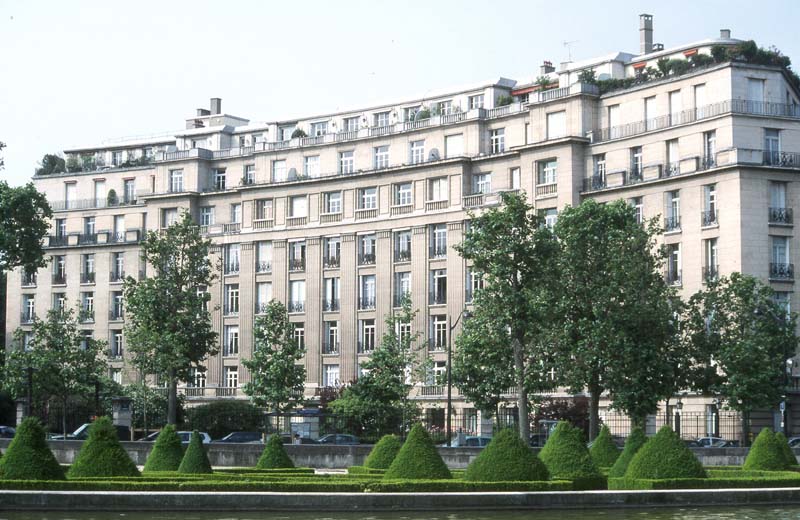 The elegant Place Vauban. Above: a residential building. Below: getting ready for lunch at Le Vauban.
 The vast complex that surrounds the church is worthy of an extended visit. In addition to Napoléon’s tomb in the Church of the Dôme (seen at right), you will find another church (Eglise St. Louis), the national Army Museum that chronicles military history, uniforms, arms and other equipment and a fascinating collection of model forts, fortified cities and towns, and significant battlefields (Musée des Plans Relief) that spans three centuries.
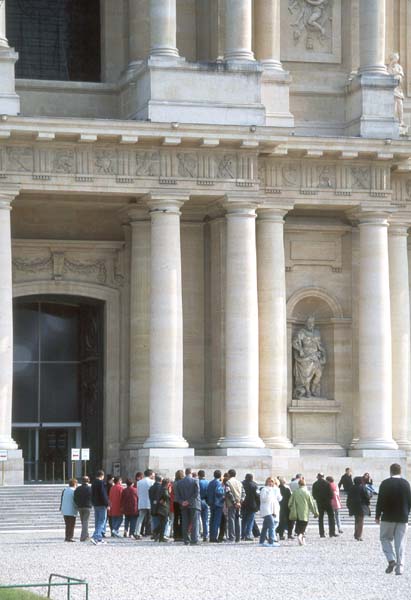 A tour group gathers to enter the Church of the Dome.
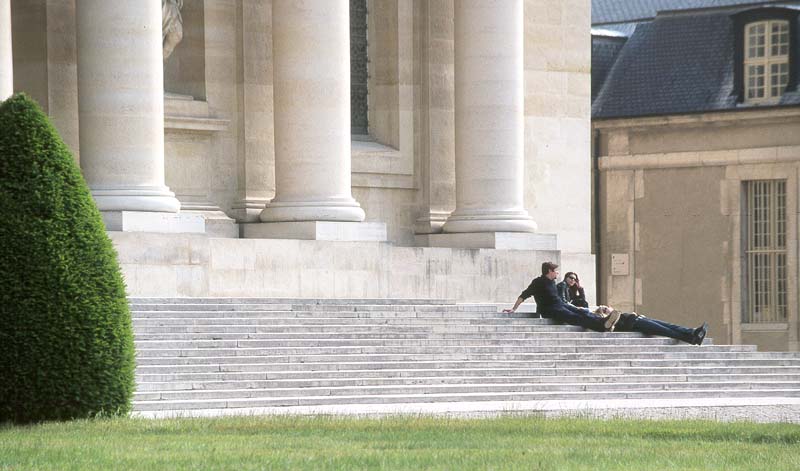 Relaxing on the steps in front of the Church of the Dome.
 The complex was begun under Louis XIV in 1670. Its purpose was to house veterans of war that were injured in service to the king (les invalides). Near its completion, it welcomed nearly 4,000 veterans. The place was pillaged during the revolution in 1789, mostly for the weapons that were stored in the basements.
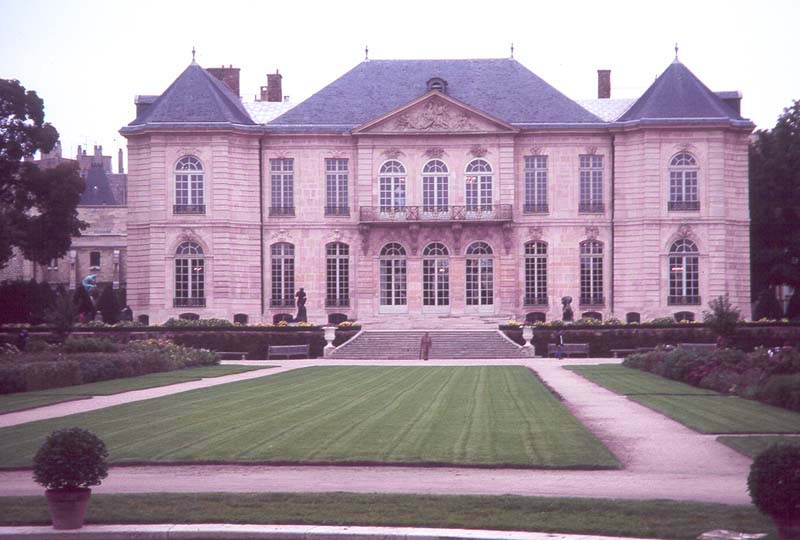 The gardens and the Rodin Museum. If you enlarge the photo (click on it), you can make out the famous statue Le Penseur (The Thinker) in the garden just to the left of the house.
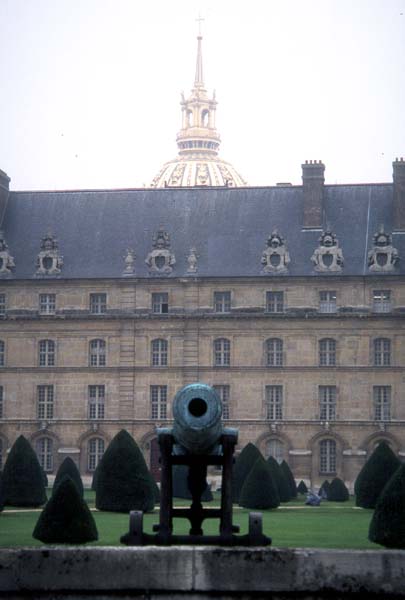 area between it and the Seine. The Esplanade is bisected by the Avenue du Maréchal Galliéni, which connects the Invalides to the Pont Alexandre III. Walk about halfway toward the Seine (notice the glass roof of the Grand Palais on the right bank) and turn left on the rue Saint Dominique. Walk back toward the Eiffel Tower along the rue Saint Dominique into the heart of the residential portion of the 7th Arrondissement. On this street and those surrounding it you will find numerous shops, boutiques and restaurants. Some are well known, like the Restaurant Thoumieux or the shop of famed baker Jean-Luc Poujauran (on the rue Jean Nicot).
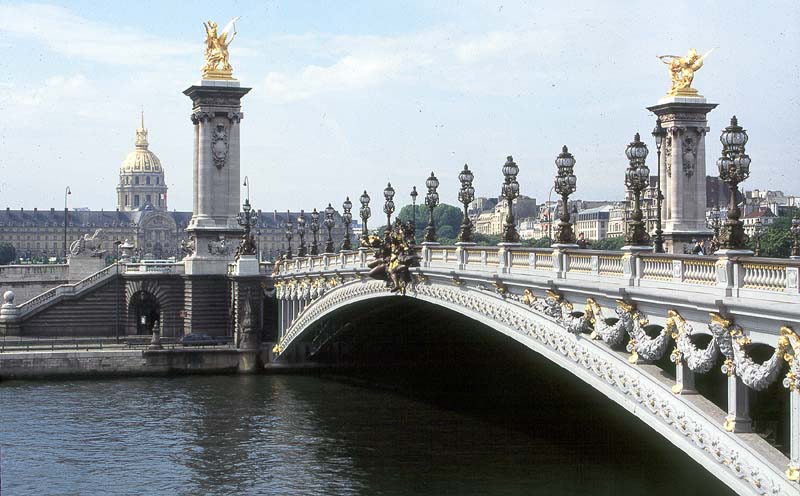 The Invalides seen from the Alexander III Bridge.
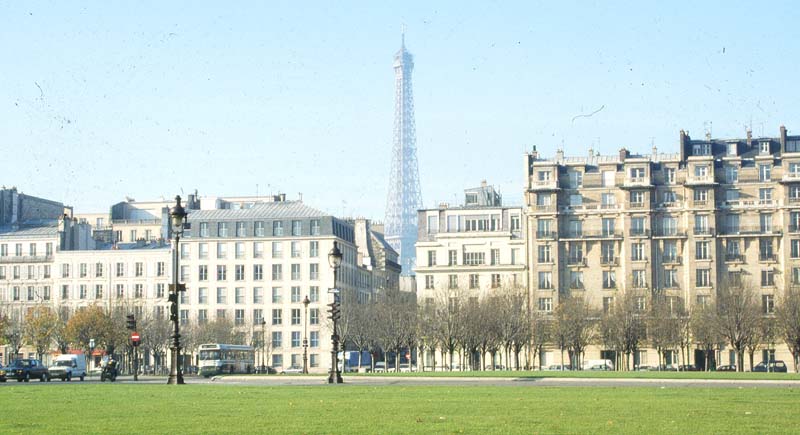 The Eiffel Tower seen from the grassy Esplanade des Invalides.
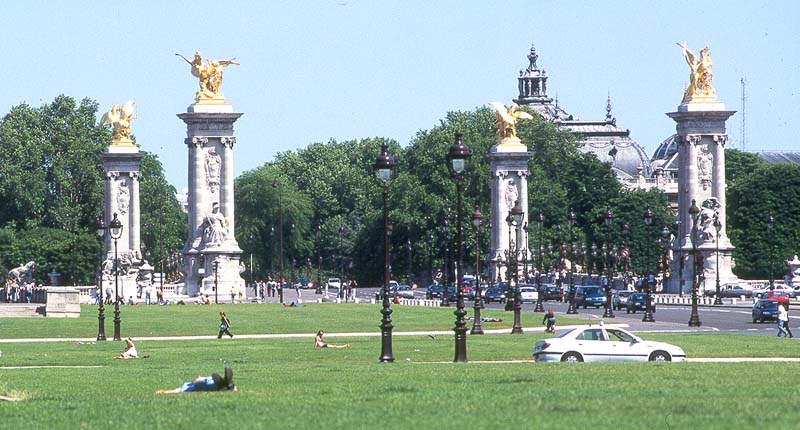 Lying in the grassy Esplanade. The columns of the Alexander III Bridge rise up to mark the Seine River.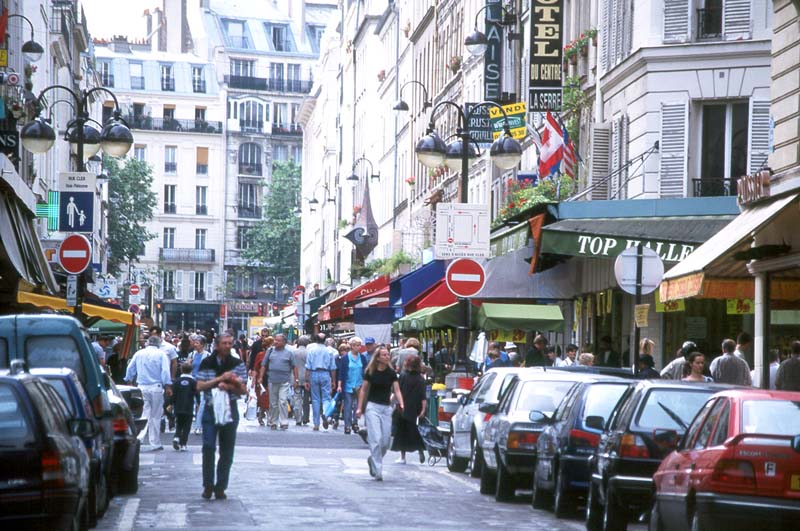
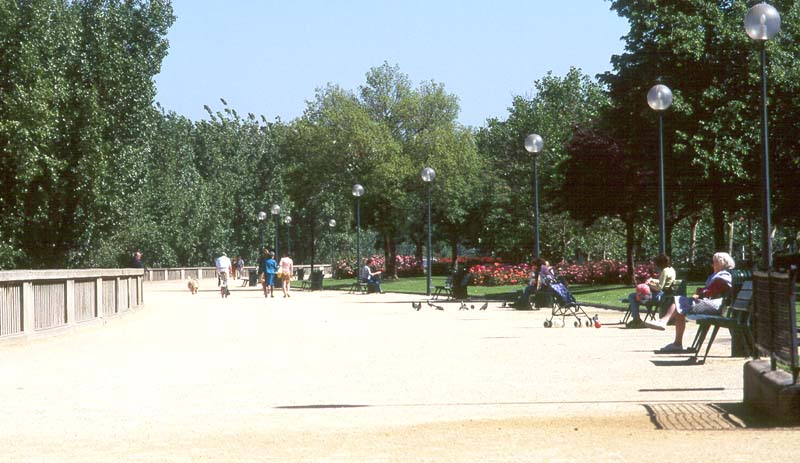 Strolling along the Seine on the left bank.